

Android is an operating system for mobile devices such as smartphone and tablet. It has been developed by the Open Handset Alliance under the guidance of Google. In 2005 Google purchased Android’s initial Developer of Software.
On November 5, 2007, the Android distribution was unveiled, with the opening of the Open Handset Alliance, a consortium of 84 hardware, software and telecommunications companies, dedicated to further open standards for mobile devices.
I always like the mouthwatering delicious name of different Android versions like a donut, ice cream sandwich etc. It looks like Google’s food items are working on the Android platform.
But do you know that all these names follow a sequence?
Below is the list of different Android flavors in the order of release, let us go over the short description:
Version |
Release |
|
|
April 2009 |
|
|
September 2009 |
|
|
October 2009, January 2010 |
|
|
May 2010 |
|
|
December 2010 |
|
|
February 2011, May2011, July 2011 |
|
|
October 2011 |
|
|
June 2012 |
|
|
March 2013 |
|
|
June 2014 |
|
|
October 2015 |
|
|
March 2016 |

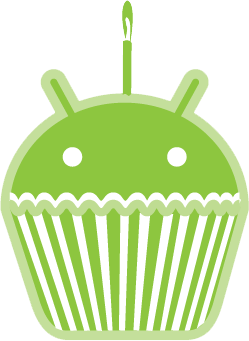













Android 1.5 (Cupcake):


The cupcake was the first major overhaul of the Android OS. Android 1.5 was released in April 2009 and many UI changes were brought, the biggest support for widgets and folders is being done on home screens.
Features:
- Support for third-party virtual keyboards with text prediction
- Widgets were enabled and phone could upload directly to YouTube and Picasa
- Video recording and playback in MPEG-4 and 3GP formats
- Copy and paste feature added towed to web browser
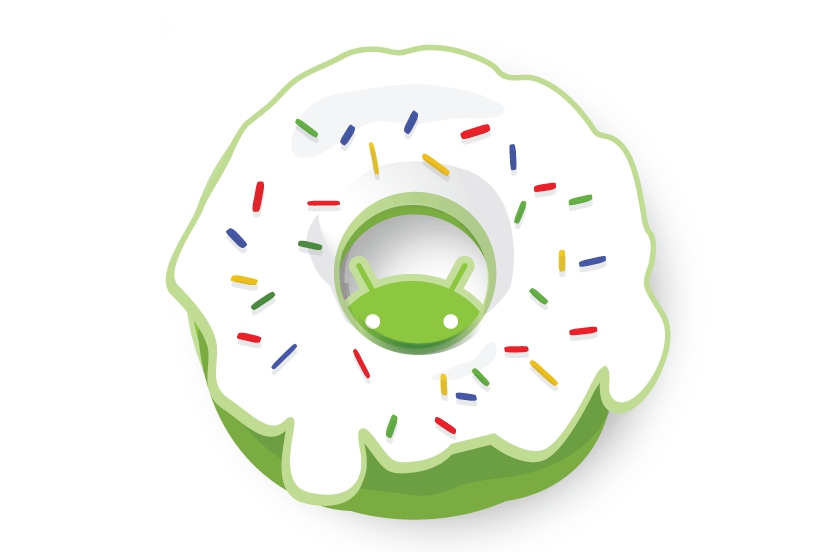
Android 1.6 (Donut):


Donut, released in September 2009, expanded on the features that came with Android 1.5. Although not very rich in the eye-candy department, Android 1.6 made some big improvements behind the scenes and provided the framework foundation for the amazing features to come.
Features:
- Developers’ ability to include their content in search results
- Easy search and capability to view app screenshots in the Android Market
- The gallery, camera, and camcorder with faster camera access is fully integrated
- Support for WVGA screen resolutions
Android 2.0/ 2.1 (Eclair):


Android 2.0 was released in October 2009, with a bug fix version (2.0.1) coming out in December 2009. Android 2.1 was released January of 2010. Android 2.0 debuted on Motorola Dior for the first time, browser, improved Google Maps and brought a new user interface.
Features:
- Google maps navigation also was born in android 2.0
- Bluetooth 2.1 support
- Support for more screen sizes and offers with better contrast ratio
- Multi- touch support
Android 2.2 (Froyo):


Android 2.2 Froyo was announced in May 2010 at Google IO Conference in San Francisco. The single biggest change was the introduction of the Just-in-time compiler (JIT) which makes the phone’s processing power much faster.
Features:
- Speed, memory, and performance optimization
- USB tethering and Wi-Fi hotspot functionality
- It also improved browser support by adding animated GIF support and Flash 1 plug-in support
- Chrome’s V8 JavaScript engine integration in the browser app
Android 2.3, 2.4 (Gingerbread):
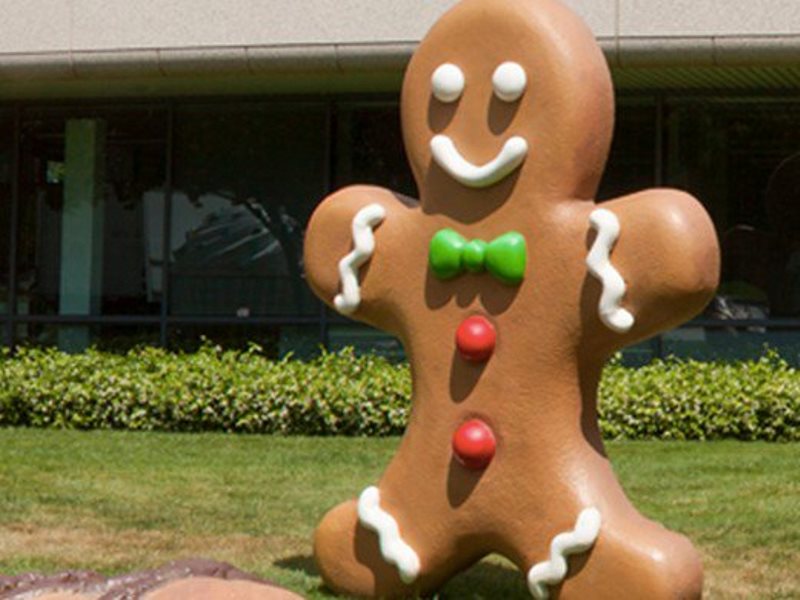
Android 2.3 Gingerbread came out of the oven in December 2010, Google announced the first with Android 2.3 Gingerbread. The phone was the Nexus S, which Google co- developed with Samsung.
Gingerbread brings some UI enhancements for Android, like feeling more consistent with menus and dialogs.
Features:
- SIP Internet calling
- Application and power management
- NFC (Near Field Communication) is now supported
- Download management
Android 3.0, 3.1, and 3.2 (Honeycomb):


Android 3.0 Honeycomb release in February 2011 and rapidly followed by 3.1& 3.2 in July and August 2011, with the Motorola Xoom. It’s the first version of Android specifically made for tablets, and it brought a lot of new UI elements to the table.
Features:
- Improved text selection, copy paste
- Redesigned keyboard
- New connectivity option
- Updated set of standard apps
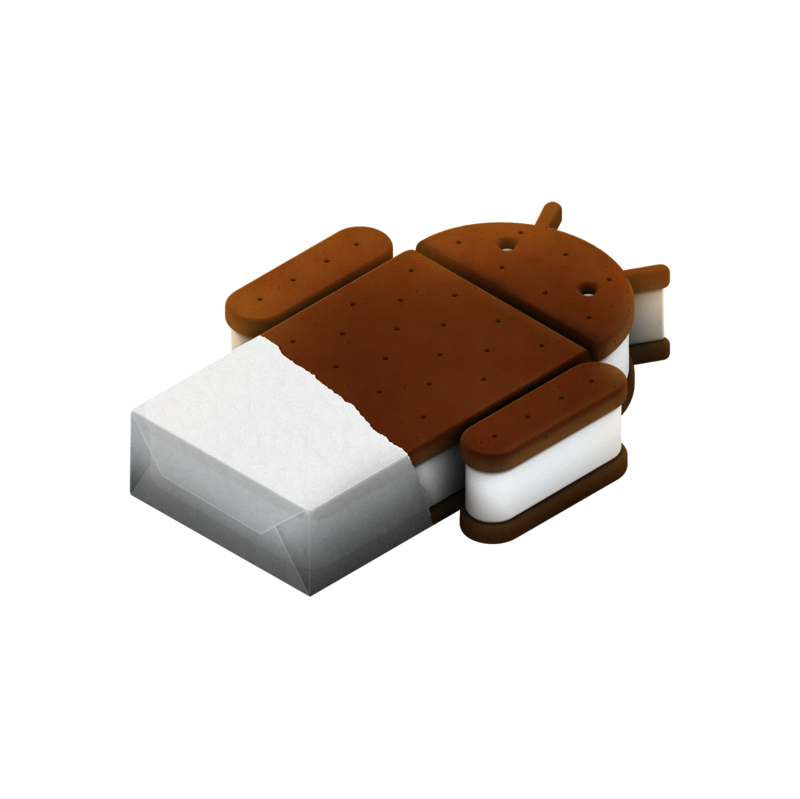
Android 4.0 (Ice Cream Sandwich):
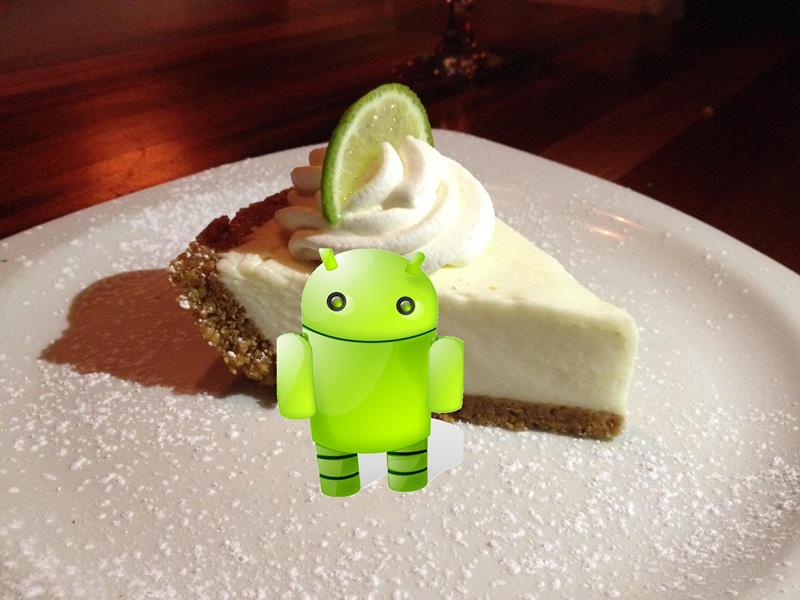
To forget about the wrongdoing of Honeycomb’s relatives, Google announced the Ice Cream Sandwich in its I / O developer conference in May 2011, which became Android 4.0 when it was released a month later in December. The first device to launch with Android 4.0 was the Samsung Galaxy Nexus.
Features:
- New consistent look and feel
- Home screen improvement
- Screenshots
- Instance voice
Android 4.1 (Jelly Bean):
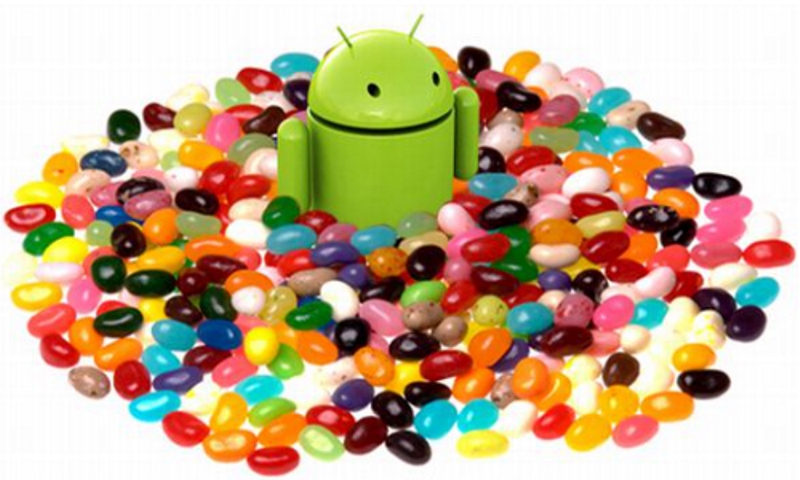

Jelly Bean arrived in Google IO 2012 with the release of ASUS Nexus 7, after the quick update to unlock the Galaxy Nexus phone. Jelly Bean also allows “Voice Typing“, an underlying speech-to-text engine that does not trust the Internet or data.
Features:
- Bluetooth Smart Ready
- Notification access
- Improvements to Android Beam
- Project Butter: faster, smoother, more responsive
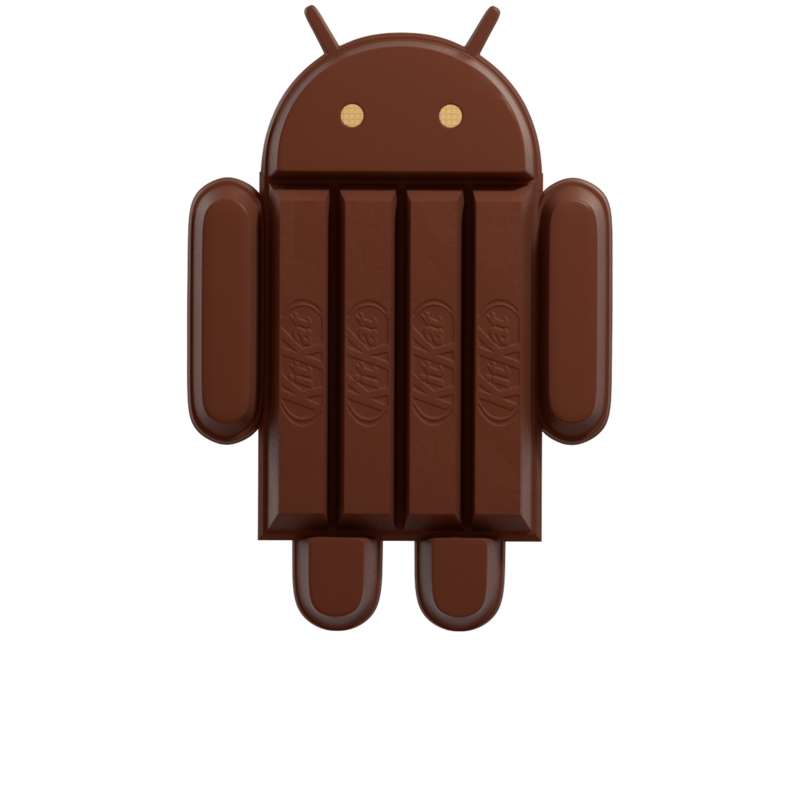
Android 4.4 (KitKat):
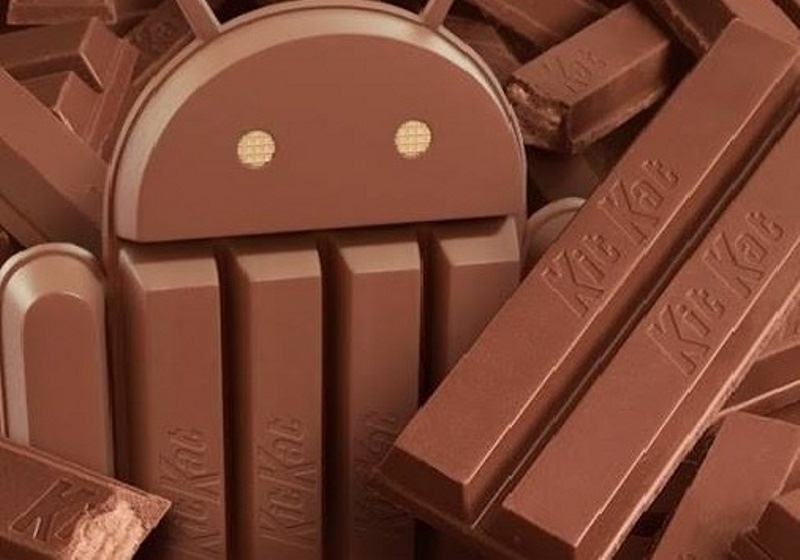

Google announced in September 2013 that the new version of Android’s collapse will be named after their favorite confectionery – KitKat. A few months later we saw our release with the LG Nexus 5.
KitKat brought Android a light, flatter and more colorful look, but many changes were made under the hood. These were the foundations for things like Google Now Launcher, SMS integration with Hangouts, and everyone’s easy and fast use.
Features:
- Ok google
- Immersive Display
- Contact Prioritization
- Enhanced caller ID
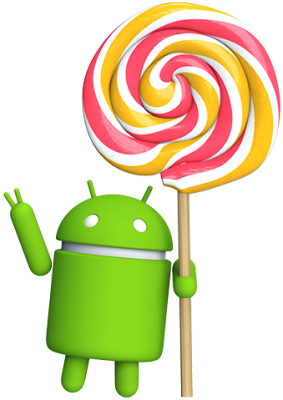
Android 5.0 (Lollipop):


Google released Android 5.0 Lollipop with Nexus 6 and Nexus 9 and received a new design language and support for 64-bit devices. This is the first time Google has provided developer beta previews of the software so that after all the drops of the new version we can all be able to get the apps ready.
Features:
- Better Wi-Fi and Bluetooth control
- Better sound Profile
- Better Device Protection
- Prioritized communication
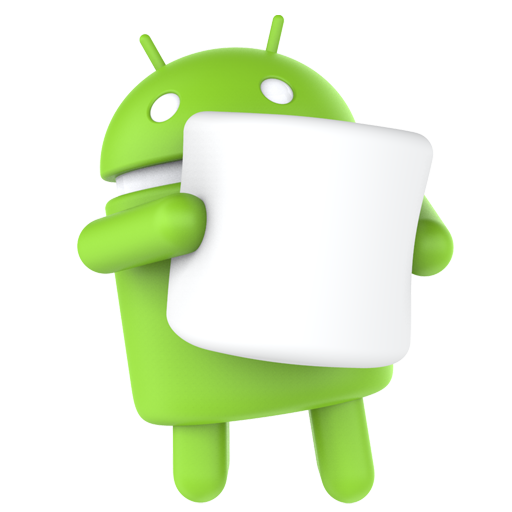
Android 6.0 (Marshmallow):
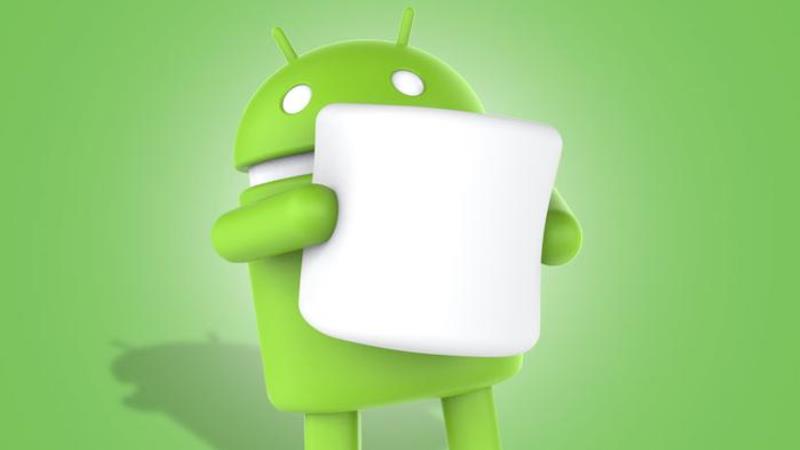

Google released Android 6.0 Marshmallow with Nexus 6P and Nexus 5X. With some visual changes – like a new launcher and refined notification panel – we saw a pair under hood transformation and new features.
Android 6.0 has given you better control over permissions, allowing you to control some parts of your data apps rather than allowing the app to install just in the first place.
Features:
- Chrome Custom Tabs
- Battery life enhancements
- USB Type-C and faster charging
- Google Now on Tab
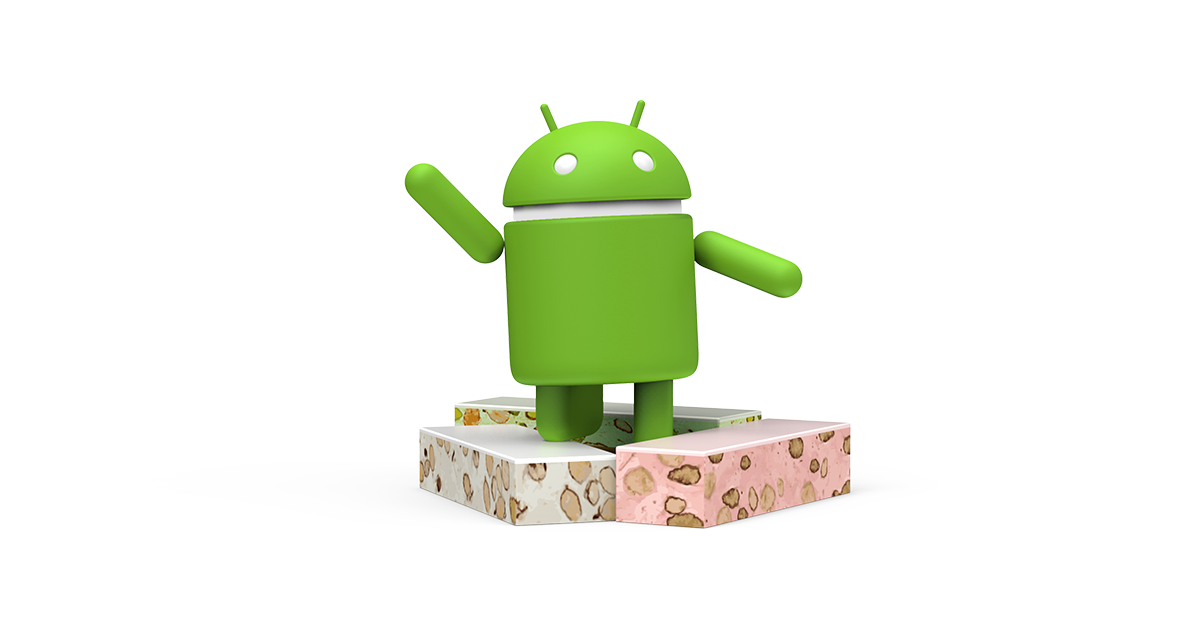
Android 7.0 (Nougat):
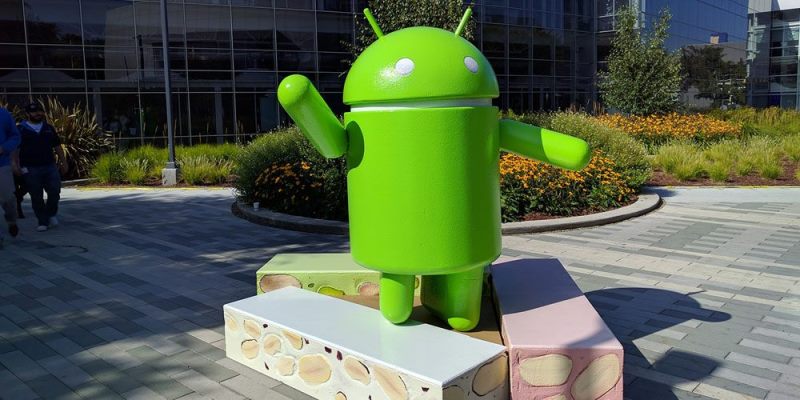
Android 7.0 Nougat was announced in March 2016 at Google IO Developer Conference. This allows app developers to give a taste of Android’s next major flavor before actually releasing it. On June 30, Google gave us the nickname: Nougat.
Features:
- Change the Display Size
- Battery Power Optimization
- Split-screen apps
- Data Saver
What will be the next version of Android?
Google Considers Online Survey For Next Android Dessert Name. Well, Google’s naming scheme which goes in alphabetical order. So far, the company has released Cupcake, Donut, Éclair, Froyo, Gingerbread, Honeycomb, Ice Cream Sandwich, Jelly Bean, KitKat, Lollipop, Marshmallow, and Nougat. It’s safe to say that Google will release Android O in 2017 with considers sweet treats, the latest name that begins with the letter O.
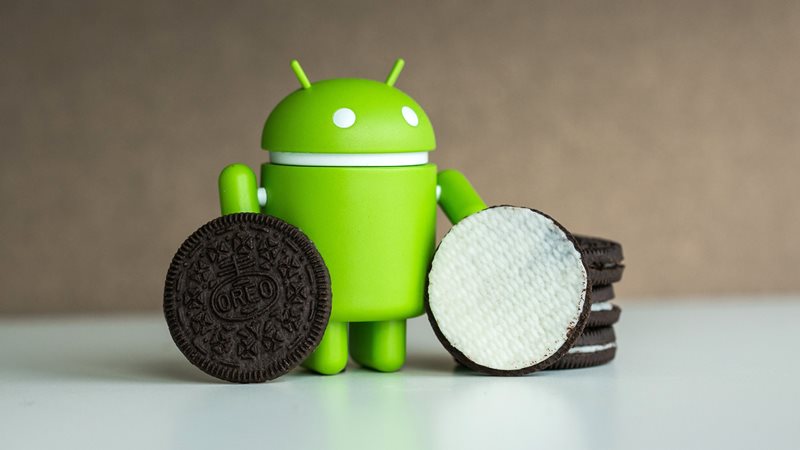
Google has a tradition of choosing Android names based on desserts or sweets dishes, what are the possibilities of next Android o update?
Ok, there is some shortage of desserts, which is starting from letter O. The most suitable name for Android OS will be Oreo.
If Google selects this name, then there will be partnerships with Mondelez (Oreo) & Google for Android Oreo.
Other expected possibilities are:
- Oreo
- Orange
- Oatcake
- Ontbijtkoek
- Oloiebol
- Orelletes
- Ozark Pudding
What does Android O expected features?
- Picture in Picture
- Notification Dots
- Autofill with Google
- Smart text selection
- Google Play Protection
- OS Optimization
- Background limits
- Keyboard navigation
- Connectivity
- Support for color gamuts
I hope you enjoyed this blog excursions in Android history.
Encountering any issue with Android (Any of it’s versions) ?? Don’t Worry!!!

